Office Lighting in Lodi, NJ
Office lighting in Lodi, NJ: LED panels, glare-free light for screens, meeting room dimming and after-hours installs by Astro Group Electric.
Lighting that helps people work
Office lighting does more than let people see. Light that is too dim leaves staff squinting by mid-afternoon, light that is too harsh causes glare on screens and headaches, and old fluorescent fixtures that flicker or hum are a steady distraction even when nobody mentions them. Getting it right makes an office a more comfortable place to spend eight hours.
Astro Group Electric designs and installs office lighting for businesses in Lodi and the surrounding towns. We are licensed and insured, with more than fifteen years of electrical work in New Jersey, and we work in everything from single-room professional practices to multi-floor offices. Most of our office projects are upgrades from fluorescent to LED, often with better layouts and controls added along the way.
Lighting also shapes how clients see your business. A bright, evenly lit office with no dead fixtures or yellowed lenses looks well run, while patchy, flickering light suggests the opposite, even in a space that is otherwise well furnished. For professional practices where clients visit, that first impression is part of the reason to upgrade.
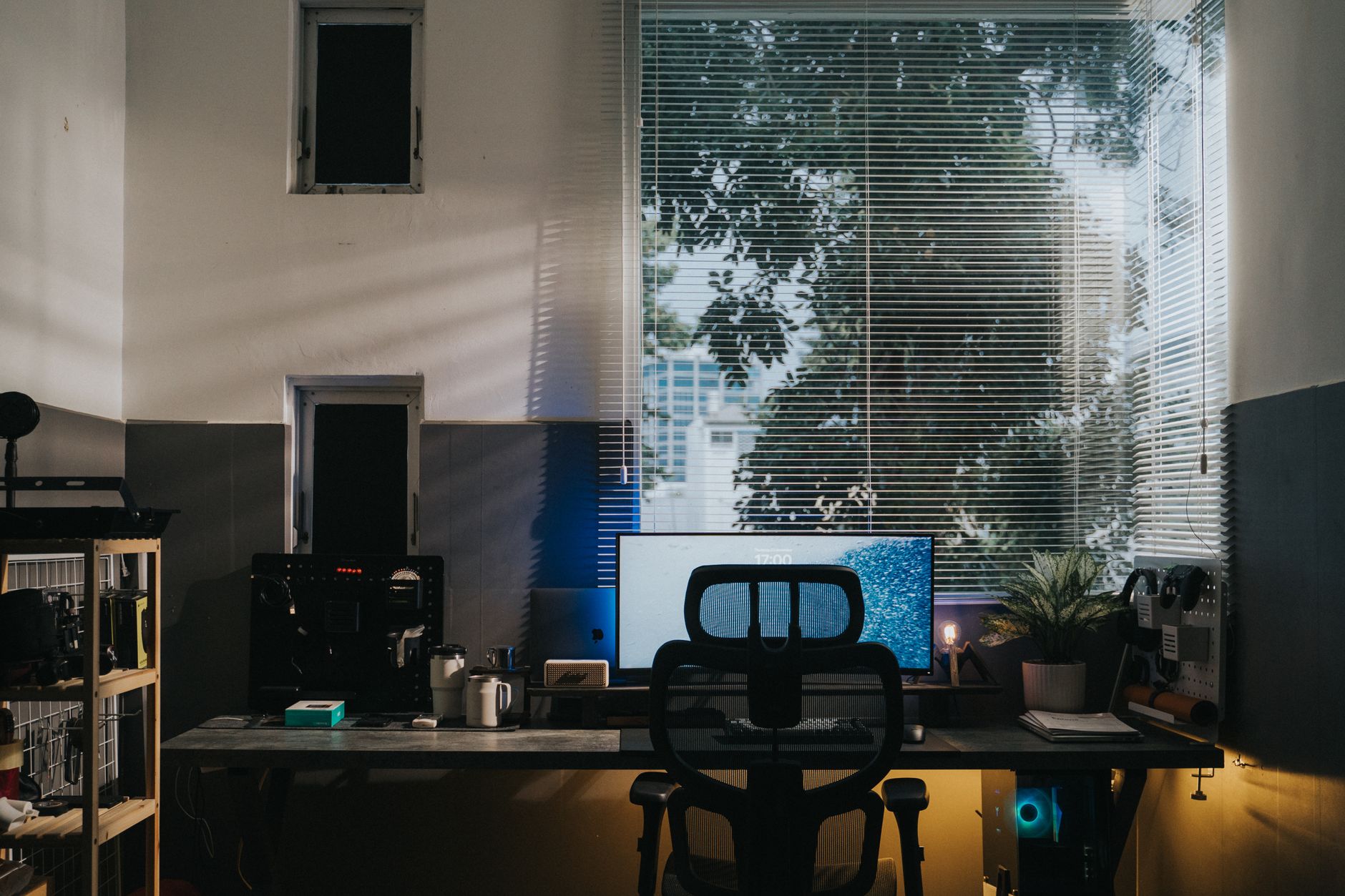
From fluorescent troffers to LED panels
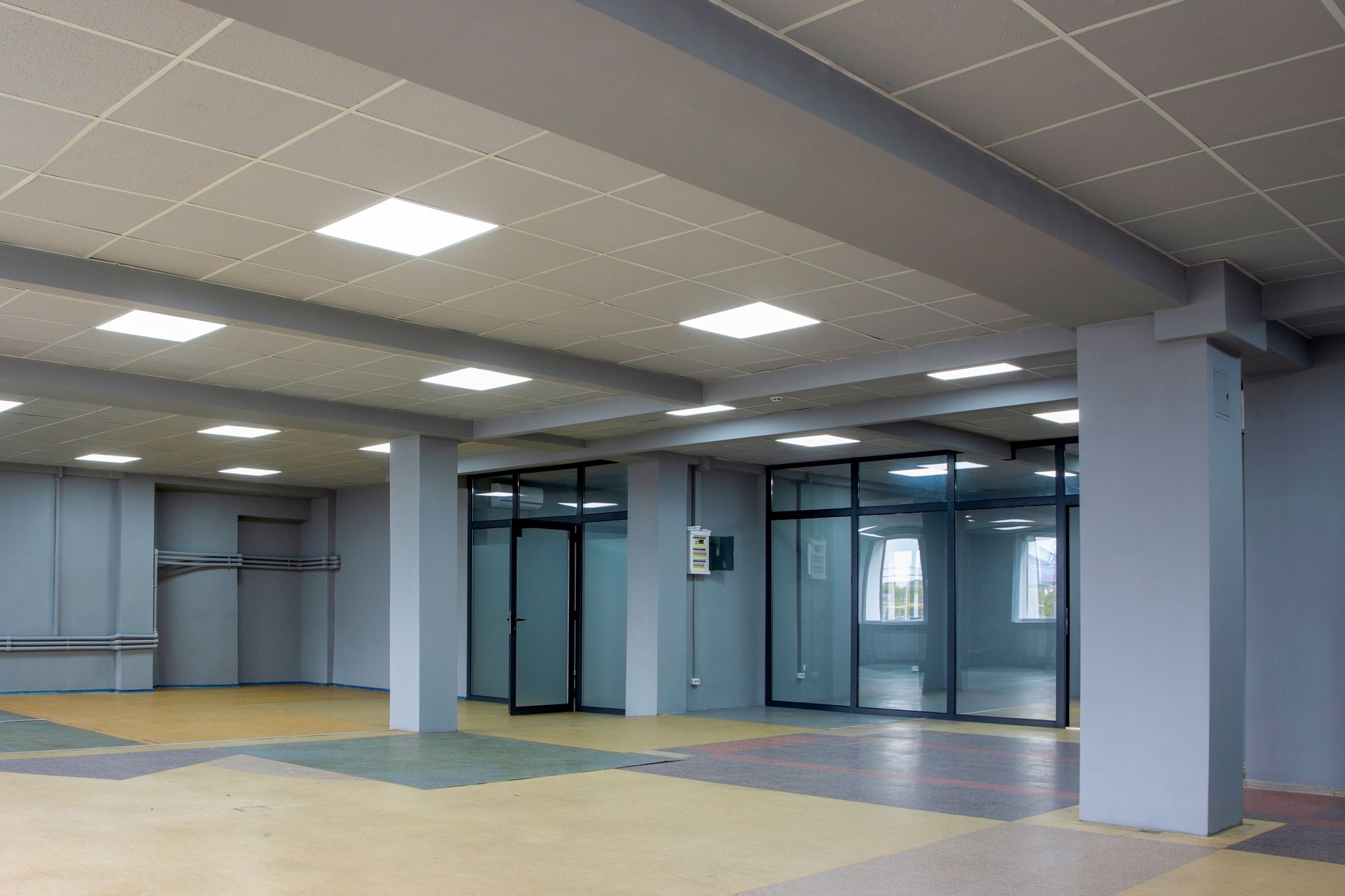
Most offices built or renovated in past decades use troffers, the rectangular two-by-four or two-by-two fixtures set into a drop ceiling, each holding several fluorescent tubes. Over time the tubes dim and change color, the ballasts start to hum and fail, and the lenses yellow. The result is uneven light, with some fixtures noticeably dimmer than others.
The cleanest upgrade is to replace those troffers with flat LED panels or LED retrofit kits that fit the same ceiling grid. Flat panels give soft, even light across the whole fixture with no visible tubes, and they use a fraction of the power of the fluorescents they replace. Because they drop into the existing grid, the ceiling does not need to be rebuilt, and the work goes quickly.
If your troffers are in good shape, retrofit kits are a lower-cost option that keeps the housing in place. Either way, the change from tired fluorescent light to fresh LED light is usually something everyone in the office notices the first morning.
Need Office Lighting in Lodi?Call Astro Group Electric for a fast, friendly answer.
Getting rid of glare on screens
Glare is the most common complaint in offices where people spend the day at computers. Bright fixtures reflecting in a monitor, or a bare light source in someone's line of sight, cause eye strain and make people tilt their screens or turn off the lights over their desks.
Good office lighting keeps the light source out of view and spreads it evenly. LED panels with diffuse lenses help a lot, as does placing fixtures between rows of desks rather than directly overhead or right in front of a screen. A neutral color temperature, around 3500K to 4000K, gives clear light that is not too yellow or too blue for screen work. Where people need extra light on paperwork, desk task lights let each person set what they need without over-lighting the whole room.

Meeting rooms, reception and private offices
Different parts of an office need different lighting. Reception areas and lobbies set the first impression, so warmer, well-placed lighting with a few accent lights on signage or artwork makes the space feel welcoming. Meeting rooms need lighting that can be dimmed for presentations and video calls, with enough light on faces so people do not appear as silhouettes on camera.
Private offices benefit from simple dimming so the occupant can choose their own level. Break rooms and kitchens need bright, practical light, and corridors and storage rooms need only enough light to move through safely, which is where occupancy sensors earn their keep. Planning each space for how it is actually used gives a better result than lighting every room the same way.
Controls and sensors
Lighting left on in empty rooms is one of the easiest costs to cut. Occupancy sensors switch lights off in restrooms, storage rooms, conference rooms and private offices when nobody is there and back on when someone walks in. Vacancy sensors work similarly but require someone to switch the lights on, which saves even more in spaces with good daylight.
In offices with large windows, daylight sensors can dim the fixtures closest to the glass when the sun is bright, keeping light levels even across the room. Many newer energy codes expect controls like these in renovated spaces. We recommend controls that fit how your team actually works, so they help rather than switching off the lights on someone sitting quietly at their desk.
Installing without disrupting your team
We know an office cannot stop working while the lights are replaced. Most of our office projects are done in the evening, early in the morning or on weekends, or one area at a time while the rest of the office works normally. We agree a plan with you beforehand so you know which areas will be affected and when.
We protect desks and equipment, keep dust and debris contained and clean up at the end of every shift. Old fluorescent tubes and ballasts are removed and disposed of properly, since the tubes contain mercury. When you come back in the morning, the space is ready to use.
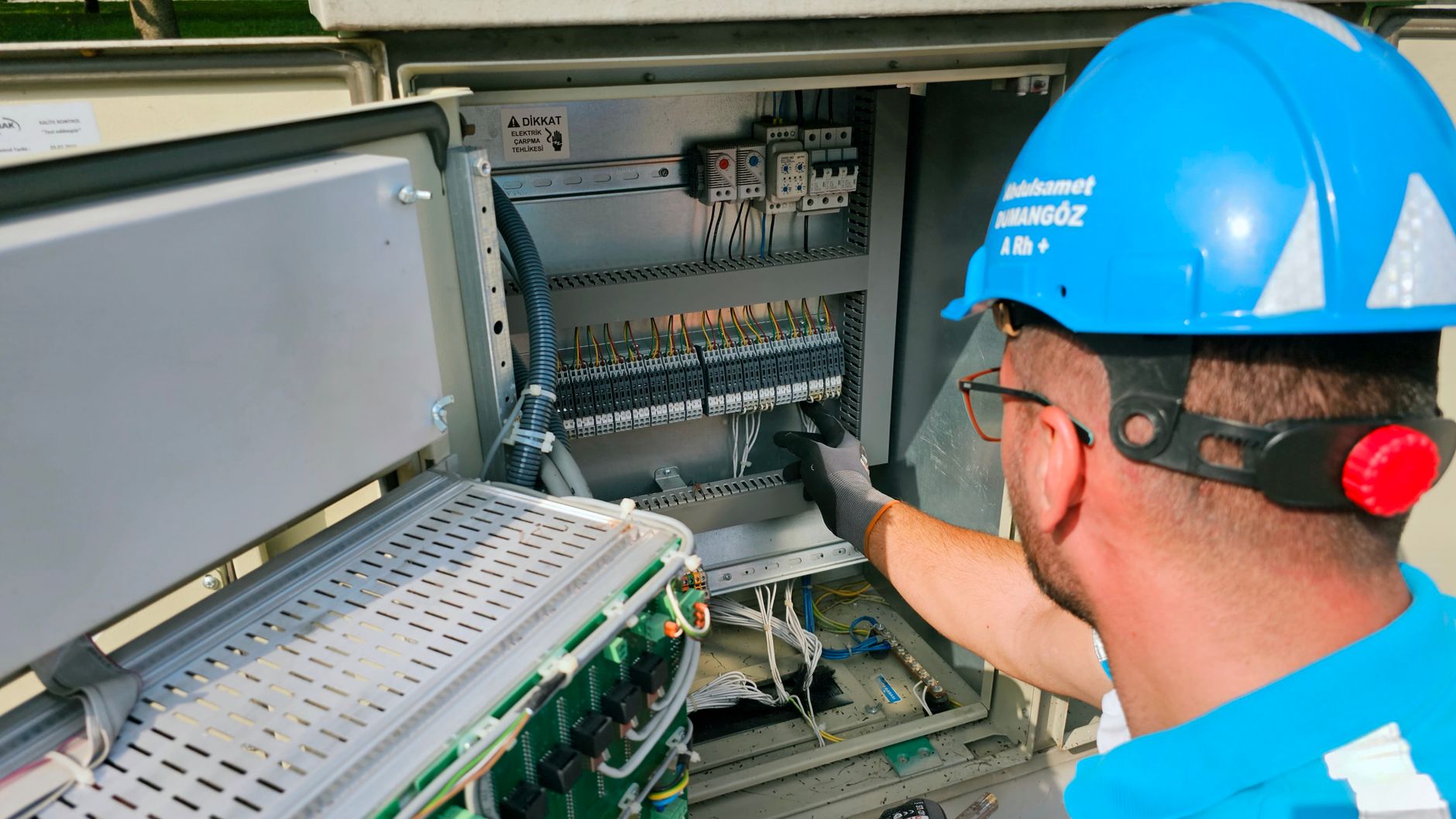
Tenants, landlords and older buildings
Many offices in and around Lodi are leased, and lighting upgrades often involve both the tenant and the building owner. We can work with either, and we are happy to talk with your landlord or property manager about what the lease allows, access to electrical rooms and any building rules for contractors.
In older buildings, an upgrade is also a chance to check the circuits feeding the lighting. We regularly find unlabeled panels, overloaded lighting circuits and old wiring above drop ceilings. We point out anything that needs attention and label circuits as we go, which makes future work easier for whoever comes next.
How much light an office actually needs
More light is not always better. An office that is over-lit feels harsh and wastes energy, while one that is under-lit leaves people straining their eyes. Lighting designers measure light on the work surface, and general office work, like computer use and reading, needs a moderate, even level across desks. Detailed work, such as drafting or reviewing small print, needs more, which is usually best handled with task lighting at the desk rather than by brightening the whole room.
Evenness matters as much as the overall level. When parts of a room are much brighter than others, people's eyes keep adjusting as they look around, and that is tiring over a working day. Good layouts avoid strong contrast between the desk, the screen and the surrounding walls.
When we plan an office upgrade, we check the light levels you have now and design to the level each area needs. Often an office with fluorescent fixtures in every ceiling tile can be lit better with fewer LED fixtures placed in the right spots, which saves on both the installation and the electric bill. We show you the planned layout before any work starts so you know what to expect.
Rebates and next steps
Office LED upgrades in New Jersey are often eligible for rebates through programs run by the state's utilities, which can cover part of the cost. We help you check whether your project is likely to qualify and what details the program needs before work starts.
To talk about lighting for your office, call Astro Group Electric at (973) 559-2810 or send us a message through our contact form. We will visit, look at your current fixtures and how the space is used, and give you a clear proposal. We serve Lodi and nearby towns, including Hackensack, Hasbrouck Heights, Garfield, Maywood, Rochelle Park, Saddle Brook and Wood-Ridge.
Frequently asked questions
How do we stop glare on computer screens?
Use fixtures with diffuse lenses, such as flat LED panels, place them between rows of desks rather than directly in front of screens, and choose a neutral color temperature around 3500K to 4000K. Desk task lights handle any extra light people need.
Can the work be done outside office hours?
Yes. Most office projects are done in the evening, early morning or on weekends, or one area at a time so the rest of the office keeps working.
Can new LED panels fit our existing drop ceiling?
Yes. LED panels and retrofit kits are made to fit standard two-by-four and two-by-two ceiling grids, so the ceiling does not need to be rebuilt.